Reclaiming Masculinity: Image Bearers of God in the 21st Century

As image bearers, men are called to take responsibility for revealing God’s presence in every facet of society. This call reflects the created nature of men who, redeemed by Jesus and filled with the Holy Spirit, are fulfilling their intended masculine purpose.

While Jesus was fully God, He was also fully human. His humanity was expressed in the masculine. Understanding who Jesus was as a man provides insight into how men can embody and demonstrate masculine characteristics as designed by God.

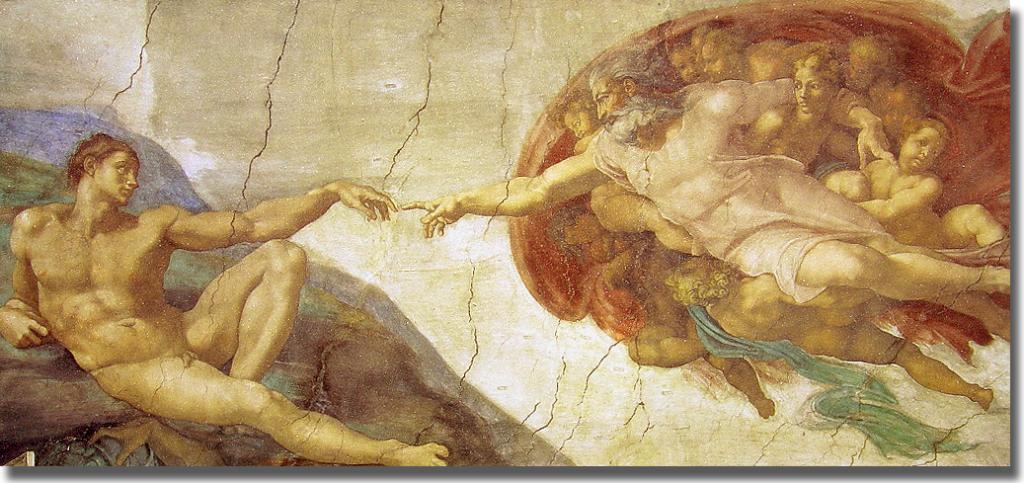
However, we will not begin with Jesus. Instead, we’ll start with Adam. The Genesis narrative describes “first things,” detailing God’s creative design as He brings order from chaos. This design includes people, specifically, both male and female, created as equal image bearers of God. Each sex reflects aspects of God’s nature and responsibilities in creation.

Adam, the first man, had a defined responsibility to work alongside God in creation. Before he could fulfill these responsibilities, it’s essential to recognize that Adam’s entire existence was a gift from God. Genesis 2:7 (NIV) states, “Then the LORD God formed a man from the dust of the ground and breathed into his nostrils the breath of life, and the man became a living being.” This life-giving breath from God signifies that Adam’s life depended on the Creator’s life-giving action. This breath suggests Adam’s inheritance as a son of God and leads to his responsibilities in creation. Genesis chapter 2 highlights Adam’s role:

– His responsibilities were centered in a defined place – the Garden.

– He was tasked with working in and caring for the Garden.

– He was responsible for his obedience to God’s commands.

– He named the animals.

– He recognized Eve as part of himself.

– He committed himself to her.

Adam was clearly created by God for a purpose: to manage God’s creation on Earth, rule over it (by naming the animals), and nurture his relationships. All of this was intended to honor God, showing that Adam and Eve were image bearers of God in the Garden and on Earth.

However, we soon discover that this original order was disrupted by original sin. Adam failed to nurture his wife and his dominion over the Earth, choosing instead to rebel against God’s design. The rest of the narrative involves their banishment and the beginning of God’s redemptive story, culminating in the incarnation of Jesus.

In Romans 5:12-21, the Apostle Paul contrasts the roles of Adam and Jesus. Adam’s failure to fulfill his image-bearing role led to the “death” of all creation. In contrast, Jesus, through His “one righteous act” (5:18), brings justification, which has the potential to restore life to all creation. In essence, Jesus, as the image-bearer of God, succeeded where Adam failed.

This concept generally applies to the masculine role: you are an image bearer of God. While this applies to women as well—Genesis 1 reinforces this truth—men cannot evade this responsibility. The absence of men acting as image bearers of God in creation is a concerning reality in the 21st century. Many men shy away from conversations about God or Christianity. This avoidance may stem from the deep feminization of the church and Christianity, but such a circumstance is not an excuse.

As image bearers, men are called to take responsibility for revealing God’s presence in every facet of society and reclaiming the ground lost to the enemy. This call is not militant, nor does it adhere to Dominion Theology; it reflects the created nature of men who, redeemed by Jesus and filled with the Holy Spirit, are fulfilling their intended masculine purpose.

Embracing Jesus’ way of masculinity begins with Christian men owning their identity as image bearers of God and influencing the direction of creation for the glory of God and the advancement of His Kingdom.

The Role of Christian Men in Turbulent Times

Weak men allow hard times to persist. Strong men can turn the tide. You have scars—use them.

We find ourselves once again in a moment when the world feels unstable. G. Michael Hopf’s quote captures this reality: “Hard times create strong men; strong men create good times; good times create weak men; weak men create hard times.” For men who follow Jesus, this cycle is not just a pattern; it is a call to action. We have some potent examples.

Joseph, sold into slavery by his brothers, thrown in prison for years, yet climbed to second-in-command of Egypt. He turned betrayal and hardship into power. He stayed sharp, forgave, and seized every chance. He interpreted dreams that saved the region from famine. Pure resilience.

David, chased by King Saul like a fugitive, hiding in caves while dodging spears. He built an army from outcasts, waited out his time, and became Israel’s greatest king-poet, warrior, all from chaos. Patience and loyalty can turn a mess into legacy.

Then there’s you. You have experienced both prosperous and challenging times, raised families, and faced significant obstacles. Now, in these turbulent times, your role is to break the cycle of weakness and lead with purpose. Here’s how:

Forge Physical and Mental Strength

Hard times demand resilience. Strengthen your body to stay sharp. Physical discipline enhances mental clarity. It helps fend off the lethargy that saps your resolve. Mentally, anchor yourself in prayer. Jesus calls us to humility, not ego. Stay grounded to avoid the complacency that breeds weak men.

Lead Through Mentoring

Strong men contribute to good times by investing in other men. Take the time to mentor other men in your life. You will be surprised to discover how many men in your circle lack strong, godly influences. Share the hard-won lessons you have learned.

Strengthen Your Marriage

Turbulent times can test marriage vows. Weak men walk away; strong men commit even more. Love your wife as Christ loved the church—that means sacrifice love that builds her up. If you have children, work to reclaim family rituals. These practices create moments of joy and stability and counter cultural drift.

Build a Fortress  

You can’t stand alone. Confess your struggles with other men and pray together. The cycle Hopf describes can only be broken when men refuse to settle for complacency. Your strength now will help prevent even harder times in the future.

Break the Cycle

Hopf’s quote serves both as a warning and a challenge. Weak men allow hard times to persist. Strong men can turn the tide. You have scars—use them. In turbulent times, Christian men do not just endure; they lead, love, and rebuild.

Personal Well-Being for Ministry Leaders

Sustainable leadership isn’t just about doing more; it’s about protecting what truly matters and caring for yourself in the process.

In the demanding world of ministry, leaders often lose sight of their personal lives. They get caught up in their professional commitments. This blurring of boundaries can lead to exhaustion and diminished effectiveness, which is a heavy burden for anyone to bear. Establishing clear boundaries means setting specific limits on time, energy, and responsibilities. This practice is essential for maintaining personal well-being. It also enhances the ability to make a meaningful impact in the lives of others. Without these protective measures, the threat of burnout can loom large. It deeply affects individual leaders. It can also impact the entire congregation they serve.

This issue is not just theoretical; current statistics reveal a troubling reality. By 2025, it is estimated that 40% of pastors will be at high risk for burnout. This is a staggering increase of 400% from the 11% recorded in 2015. Additionally, 42% of pastors have seriously considered leaving ministry altogether, clearly illustrating the intense pressures they face. Loneliness can add to these challenges, with 65% of pastors reporting feelings of isolation, and 18% feeling this way frequently.

Studies from organizations like Barna and Lifeway highlight the unique vulnerabilities that ministry leaders experience. These vulnerabilities are often due to the expectation of being available around the clock. The emotional labor required in their roles also contributes to these challenges.

It’s essential to understand why boundaries are important. They prevent feelings of resentment. They offer opportunities for spiritual renewal. They create a model of healthy living for those around us. Jesus understood this necessity. He stepped away for prayer amidst the chaos of His ministry. We see this in Luke 5:16. His example shows that taking time for rest is not a sign of weakness. Instead, it is sacred. It is also an essential part of our life’s work.

To support leaders in establishing healthier practices, here’s a four-step Rebound plan that will resonate:

1. Assess and Define: Each week, carve out time to evaluate your schedule. Find your non-negotiables—be it family time, personal rest, or Sabbath moments—and communicate these openly. This transparency helps foster understanding and support.

2. Delegate and Prioritize: Acknowledge that it’s okay to share the load. Identify tasks that others can take on to free you up for your core calling. Tools like to-do lists can help clarify your priorities and keep you focused on what truly matters.

3. Practice Self-Care: Ensure you dedicate time each day to activities that nourish your physical, emotional, and spiritual health. You can do this through exercise, hobbies that bring you joy, or even seeking professional support. Consider finding a coach for accountability; it can make a significant difference.

4. Review and Adjust: At the end of each month, take a thoughtful moment. Reflect on what’s working. Consider what could be improved. Celebrate even the small wins, as they can help build momentum and motivate you to keep going.

By embracing these boundaries, ministry leaders can find paths to thrive, serving with renewed passion and purpose. Sustainable leadership isn’t just about doing more; it’s about protecting what truly matters and caring for yourself in the process. Remember, you are not alone in this journey. Taking these steps can lead to a healthier, more fulfilling ministry experience.