Who Is the Captain of Your Soul?

The reality is, most men today aren’t even aware who’s steering their inner ship. We pour our energy into careers, families, hobbies, and ministry—building impressive public lives—while our private world, our soul, lies neglected and disordered.

In a world that celebrates self-made men—the guy who grinds harder, achieves more, and bows to no one—there’s a famous line that has inspired countless people: “I am the master of my fate, I am the captain of my soul.”

You probably recognize it from the poem Invictus by William Ernest Henley. It’s a defiant declaration of human strength in the face of suffering. Henley wrote it from a hospital bed, battling an illness that had already cost him a leg. Many men admire that grit. I get it. Something is appealing about standing unconquered, steering your own ship no matter the storm.

But here’s the truth I’ve seen in coaching middle-aged Christian men like you: when we insist on being the sole captain of our souls, we often end up shipwrecked. Oscar Wilde, reflecting on his own downfall in De Profundis, admitted as much: “I ceased to be lord over myself. I was no longer the captain of my soul, and did not know it.” He had chased pleasure and self-rule, only to find it led to ruin.

The reality is, most men today aren’t even aware who’s steering their inner ship. We pour our energy into careers, families, hobbies, and ministry—building impressive public lives—while our private world, our soul, lies neglected and disordered. Like Gordon MacDonald warns in Ordering Your Private World, if we don’t cultivate strength on the inside, our outer lives will eventually collapse.

Think about it: If someone asked you today, “How is it with your soul?”—a question John Wesley used to hold his people accountable—would you have a real answer? Or would you pause, clueless, because no one’s ever pressed you there? Too many good Christian men are left stammering, because we’ve never learned to tend the garden of our inner lives.

Biblical masculinity isn’t about self-mastery in isolation. It’s about strength under authority—surrendering the captain’s wheel to Jesus Christ, the true Lord of our souls. When we do that, we regain purpose, a deep connection with God and others, and the resilience to lead our families and communities with integrity.

One Simple Step to Begin Ordering Your Private World

You don’t need a complete overhaul today. Start with one actionable practice that any man can do immediately: Set aside 10 minutes each morning for unhurried time with God in Scripture and prayer, specifically asking Him, “How is it with my soul, Lord?”

Here’s how to do it right now:

  1. Find a quiet spot—before the demands of the day hit. No phone, no distractions.
  2. Read a short passage—start with a Psalm (like Psalm 139 or 51) or a few verses from the Gospels.
  3. Pray honestly—Invite Jesus to search your heart. Speak the question out loud: “Lord, how is it with my soul today?” Then listen. Journal what comes up: gratitude, sin to confess, fears, joys, or just silence.
  4. End by surrendering—Pray something like: “Jesus, You are the Captain of my soul. Order my inner world today for Your glory.”

This isn’t optional soul-care fluff. It’s the foundation of thriving in biblical masculinity. When your private world is ordered around Christ, you’ll lead with clearer purpose, love your wife and kids from overflow rather than exhaustion, and stand firm when culture pressures you to compromise.

The unconquerable soul isn’t the one that defies God—it’s the one submitted to Him. Take that first step tomorrow morning. Regain command by handing the wheel to the One who calms the storms.

You’ve got this, because He’s got you.

Say Yes to God

When a man yields himself to God with complete obedience, God can do great things through him.

God can use the man who is willing to be obedient. It’s simple: listen and obey.

The confirmation of this reality is all over the pages of the Bible. Especially Daniel.

Daniel was a Jewish young man from Judah’s nobility. He was taken captive to Babylon around 605 BC. This occurred when King Nebuchadnezzar conquered Jerusalem. He was selected for training to serve in the Babylonian royal court. His friends Shadrach, Meshach, and Abednego were also chosen. They were picked because of their intelligence, appearance, and aptitude (Daniel 1:3-6).

Throughout his long life, Daniel consistently demonstrated extraordinary obedience. He showed unwavering loyalty to God, even when it directly threatened his life and career.

Daniel resolved not to defile himself with the king’s rich food and wine, which violated Jewish dietary laws. Instead, he asked for vegetables and water. God blessed him and his friends with superior health and wisdom (Daniel 1:8-17).

More importantly, Daniel developed a disciplined life of prayer. We know that he prayed three times a day. He gave thanks to God and knelt in front of his open window facing toward Jerusalem. This was not a casual habit. It was a deliberate act of worship. It served as a remembrance of God’s covenant promises, even while living in a pagan empire.

By the time Darius ruled, Daniel was well over 80 years old. He had risen to one of the three highest positions in the kingdom. King Darius even planned to set him over the entire realm because “an excellent spirit was in him” (Daniel 6:3).

This provoked jealousy among the other high officials. They looked for any corruption or failure in Daniel but could find none—he was completely faithful and honest. Their only choice was to attack him based on his faith.

They deceived King Darius into signing an irrevocable decree. For the next 30 days, anyone praying to or worshiping a god or human being, other than the king, would face dire consequences. They would be thrown into a den of lions (Daniel 6:6-9). This was a deliberate trap designed to exploit Daniel’s known devotion to God.

As soon as Daniel learned that the decree had been signed, he went home, opened his windows toward Jerusalem as usual, knelt down, and prayed and gave thanks to God three times that day—just as he had always done (Daniel 6:10).

He did not hide.
He did not reduce his prayers to whispers.
He did not compromise even slightly.

Daniel chose open, defiant obedience to God over self-preservation and obedience to an unjust human law. He knew the consequence was almost certain death. Yet, he considered faithfulness to God more important than his position, his reputation, or even his life.

Daniel was arrested. The king was deeply distressed and attempted to find a legal loophole. However, the law could not be changed. Daniel was thrown into the den of lions. The king spent a sleepless night fasting and, at dawn, ran to the den and called out in anguish, “Daniel, servant of the living God, has your God, whom you serve continually, been able to rescue you from the lions?” (Daniel 6:20).

Daniel answered, “May the king live forever! My God sent his angel, and he shut the mouths of the lions. They have not hurt me, because I was found innocent in his sight. Nor have I done any wrong before you, Your Majesty” (Daniel 6:21-22).

God miraculously preserved Daniel all night. When he was lifted out unharmed, King Darius threw the schemers and their families into the den instead, and the lions quickly crushed them.

Darius issued a new decree that in every part of his kingdom people must fear and reverence the God of Daniel, “for he is the living God and he endures forever… He rescues and he saves; he performs signs and wonders in the heavens and on the earth. He has rescued Daniel from the power of the lions” (Daniel 6:26-27).

Daniel’s conviction was unwavering. He believed that prayer and worship belong to God alone, no matter what an earthly ruler demands. This conviction became one of the greatest testimonies in Scripture of courageous faith under pressure.

When a man yields himself to God with complete obedience, God can do great things through him. The God who shut the lions’ mouths is still capable of delivering those who stand firm for Him.

You Are What You Feed

Unless the patterns are broken, we will continue to feed the old wolf…

At what point do you get tired of pretending? At this age, you promised yourself that you would become the man your family and your future self could respect. But you keep returning to the same old patterns and habits like a dog returning to its vomit.

One day, an old Cherokee man sits down with his grandson to teach him about life.

“A fight is going on inside of me,” he says to the boy. “It’s a terrible fight between two wolves. One is evil – he is full of rage, jealousy, arrogance, greed, sorrow, regret, lies, laziness, and self-pity.”

He continues, “The other is good – he is filled with love, joy, peace, generosity, truth, empathy, courage, humility, and faith. This same fight is going on inside the hearts of everyone, including you.”

The grandson thinks about this for a few minutes and then asks his grandfather, “Which wolf wins?”

The old Cherokee simply replies, “The one you feed.”

Unless the patterns are broken, we will continue to feed the old wolf and act as we did in our 20s and 30s. So let’s be honest: you are succeeding in your career, your health, even your marriage, but your self-control is wrecked. Anger outbursts. Scrolling porn addiction. Envious of other guys.

We think, “I should have handled this by now.”  That’s shame talking, and shame keeps guys stuck. You’re not broken. It’s dopamine! Only about 5% of men actually deal with their old, broken patterns and habits. Let’s treat this like the high-performance issue it is. We don’t shame a Ferrari for needing premium fuel; we give it what it runs on. At midlife, we need some new non-negotiables.

Environment beats willpower every single time. You need a new system to break old habits. Your integrity is counting on it. High performers can’t rely solely on willpower. You’ll need to pre-decide and build some accountability into your life. Transparency is key.

Here’s a plan to implement right now.

Your mind is running on junk – endless feeds, outrage clicks, soft-core everywhere. Starting tomorrow, initiate 30 minutes of something that builds you up; Scripture, high-level podcast, silence, whatever – but zero social media, zero news, zero stimulation that drags you down. You’re creating space for the Holy Spirit to rewire your neural pathways. Thirty minutes.

Now, the scary part: radical honesty with one other man. Not a therapist (although that’s great), not your wife yet (too much risk), but one brother who’s been in the arena. You’re going to text him today and say, “I need an accountability partner for integrity. Can we talk 10 minutes a week?” Confession isn’t weakness; it’s the fastest way to cut shame off at the knees and get real momentum.

It’s about becoming a man who refuses to let his appetites run his life. You do these and you won’t recognize yourself in 30 days.

I’m called to help men make these kinds of life changes and recreate themselves in ways their family and future self can respect. If this post has your name written all over it, reach out, and we can work together to make this second half something you can be proud of.

How Men Conquer the Silent Struggle

Somewhere along the way, you look in the mirror and go, “Wait… is this it?” And yeah, there’s this quiet fight happening inside. Nobody at work or even at church really talks about it out loud. Like something’s trying to steal your soul one compromise at a time.

There’s a war on the masculine soul.

You hit that age—mid-40s, maybe 50s—where you wake up some days and it feels like everything’s pulling at you. Work’s not what it used to be. The kids are growing or gone. The body doesn’t bounce back like it once did. Somewhere along the way, you look in the mirror and go, “Wait… is this it?” And yeah, there’s this quiet fight happening inside. Nobody at work or even at church really talks about it out loud. Like something’s trying to steal your soul one compromise at a time.

Scripture’s not shy about it. Paul says we’re not wrestling against people or circumstances. We’re up against powers and principalities. These are spiritual forces that hate everything God’s doing in us (Ephesians 6). Peter calls the devil a roaring lion just looking for someone to devour. And let’s be real, middle-aged men are prime rib on his menu right now.

He hits us with stuff like:

  • “You’re irrelevant now. Your best years are behind you.”
  • “Nobody would notice one little look, one little cheat, one little outburst.”
  • “You’re too tired for prayer, too busy for the Word, too burned out for real fellowship.”

And before you know it, you’re just drifting. You go through the motions and still show up on Sunday. The fire’s down to embers.

So here’s what I’ve been thinking about:

First thing—call it what it is. This isn’t just stress or a midlife slump. This is war. The enemy’s got a file on you—he knows exactly where you’re weak. Lust? Pride? Anger? Greed? Discouragement? Whatever it is, name it out loud to God. Get brutally honest in prayer. You can even grab a notebook and write it down. “Here’s where I’m getting hit the hardest right now.”

Once you see the battlefield for what it is, you stop fighting the symptoms. You start fighting the real enemy. And the best news? We’re not left defenseless. We’ve got the full armor, the Word, the Spirit, and a Savior who already crushed the serpent’s head.

You’re not alone in this. We can do this—one day, one honest prayer, one stand at a time.

Reclaiming Masculinity: Image Bearers of God in the 21st Century

As image bearers, men are called to take responsibility for revealing God’s presence in every facet of society. This call reflects the created nature of men who, redeemed by Jesus and filled with the Holy Spirit, are fulfilling their intended masculine purpose.

While Jesus was fully God, He was also fully human. His humanity was expressed in the masculine. Understanding who Jesus was as a man provides insight into how men can embody and demonstrate masculine characteristics as designed by God.

However, we will not begin with Jesus. Instead, we’ll start with Adam. The Genesis narrative describes “first things,” detailing God’s creative design as He brings order from chaos. This design includes people, specifically, both male and female, created as equal image bearers of God. Each sex reflects aspects of God’s nature and responsibilities in creation.

Adam, the first man, had a defined responsibility to work alongside God in creation. Before he could fulfill these responsibilities, it’s essential to recognize that Adam’s entire existence was a gift from God. Genesis 2:7 (NIV) states, “Then the LORD God formed a man from the dust of the ground and breathed into his nostrils the breath of life, and the man became a living being.” This life-giving breath from God signifies that Adam’s life depended on the Creator’s life-giving action. This breath suggests Adam’s inheritance as a son of God and leads to his responsibilities in creation. Genesis chapter 2 highlights Adam’s role:

– His responsibilities were centered in a defined place – the Garden.

– He was tasked with working in and caring for the Garden.

– He was responsible for his obedience to God’s commands.

– He named the animals.

– He recognized Eve as part of himself.

– He committed himself to her.

Adam was clearly created by God for a purpose: to manage God’s creation on Earth, rule over it (by naming the animals), and nurture his relationships. All of this was intended to honor God, showing that Adam and Eve were image bearers of God in the Garden and on Earth.

However, we soon discover that this original order was disrupted by original sin. Adam failed to nurture his wife and his dominion over the Earth, choosing instead to rebel against God’s design. The rest of the narrative involves their banishment and the beginning of God’s redemptive story, culminating in the incarnation of Jesus.

In Romans 5:12-21, the Apostle Paul contrasts the roles of Adam and Jesus. Adam’s failure to fulfill his image-bearing role led to the “death” of all creation. In contrast, Jesus, through His “one righteous act” (5:18), brings justification, which has the potential to restore life to all creation. In essence, Jesus, as the image-bearer of God, succeeded where Adam failed.

This concept generally applies to the masculine role: you are an image bearer of God. While this applies to women as well—Genesis 1 reinforces this truth—men cannot evade this responsibility. The absence of men acting as image bearers of God in creation is a concerning reality in the 21st century. Many men shy away from conversations about God or Christianity. This avoidance may stem from the deep feminization of the church and Christianity, but such a circumstance is not an excuse.

As image bearers, men are called to take responsibility for revealing God’s presence in every facet of society and reclaiming the ground lost to the enemy. This call is not militant, nor does it adhere to Dominion Theology; it reflects the created nature of men who, redeemed by Jesus and filled with the Holy Spirit, are fulfilling their intended masculine purpose.

Embracing Jesus’ way of masculinity begins with Christian men owning their identity as image bearers of God and influencing the direction of creation for the glory of God and the advancement of His Kingdom.

The Role of Christian Men in Turbulent Times

Weak men allow hard times to persist. Strong men can turn the tide. You have scars—use them.

We find ourselves once again in a moment when the world feels unstable. G. Michael Hopf’s quote captures this reality: “Hard times create strong men; strong men create good times; good times create weak men; weak men create hard times.” For men who follow Jesus, this cycle is not just a pattern; it is a call to action. We have some potent examples.

Joseph, sold into slavery by his brothers, thrown in prison for years, yet climbed to second-in-command of Egypt. He turned betrayal and hardship into power. He stayed sharp, forgave, and seized every chance. He interpreted dreams that saved the region from famine. Pure resilience.

David, chased by King Saul like a fugitive, hiding in caves while dodging spears. He built an army from outcasts, waited out his time, and became Israel’s greatest king-poet, warrior, all from chaos. Patience and loyalty can turn a mess into legacy.

Then there’s you. You have experienced both prosperous and challenging times, raised families, and faced significant obstacles. Now, in these turbulent times, your role is to break the cycle of weakness and lead with purpose. Here’s how:

Forge Physical and Mental Strength

Hard times demand resilience. Strengthen your body to stay sharp. Physical discipline enhances mental clarity. It helps fend off the lethargy that saps your resolve. Mentally, anchor yourself in prayer. Jesus calls us to humility, not ego. Stay grounded to avoid the complacency that breeds weak men.

Lead Through Mentoring

Strong men contribute to good times by investing in other men. Take the time to mentor other men in your life. You will be surprised to discover how many men in your circle lack strong, godly influences. Share the hard-won lessons you have learned.

Strengthen Your Marriage

Turbulent times can test marriage vows. Weak men walk away; strong men commit even more. Love your wife as Christ loved the church—that means sacrifice love that builds her up. If you have children, work to reclaim family rituals. These practices create moments of joy and stability and counter cultural drift.

Build a Fortress  

You can’t stand alone. Confess your struggles with other men and pray together. The cycle Hopf describes can only be broken when men refuse to settle for complacency. Your strength now will help prevent even harder times in the future.

Break the Cycle

Hopf’s quote serves both as a warning and a challenge. Weak men allow hard times to persist. Strong men can turn the tide. You have scars—use them. In turbulent times, Christian men do not just endure; they lead, love, and rebuild.

Personal Well-Being for Ministry Leaders

Sustainable leadership isn’t just about doing more; it’s about protecting what truly matters and caring for yourself in the process.

In the demanding world of ministry, leaders often lose sight of their personal lives. They get caught up in their professional commitments. This blurring of boundaries can lead to exhaustion and diminished effectiveness, which is a heavy burden for anyone to bear. Establishing clear boundaries means setting specific limits on time, energy, and responsibilities. This practice is essential for maintaining personal well-being. It also enhances the ability to make a meaningful impact in the lives of others. Without these protective measures, the threat of burnout can loom large. It deeply affects individual leaders. It can also impact the entire congregation they serve.

This issue is not just theoretical; current statistics reveal a troubling reality. By 2025, it is estimated that 40% of pastors will be at high risk for burnout. This is a staggering increase of 400% from the 11% recorded in 2015. Additionally, 42% of pastors have seriously considered leaving ministry altogether, clearly illustrating the intense pressures they face. Loneliness can add to these challenges, with 65% of pastors reporting feelings of isolation, and 18% feeling this way frequently.

Studies from organizations like Barna and Lifeway highlight the unique vulnerabilities that ministry leaders experience. These vulnerabilities are often due to the expectation of being available around the clock. The emotional labor required in their roles also contributes to these challenges.

It’s essential to understand why boundaries are important. They prevent feelings of resentment. They offer opportunities for spiritual renewal. They create a model of healthy living for those around us. Jesus understood this necessity. He stepped away for prayer amidst the chaos of His ministry. We see this in Luke 5:16. His example shows that taking time for rest is not a sign of weakness. Instead, it is sacred. It is also an essential part of our life’s work.

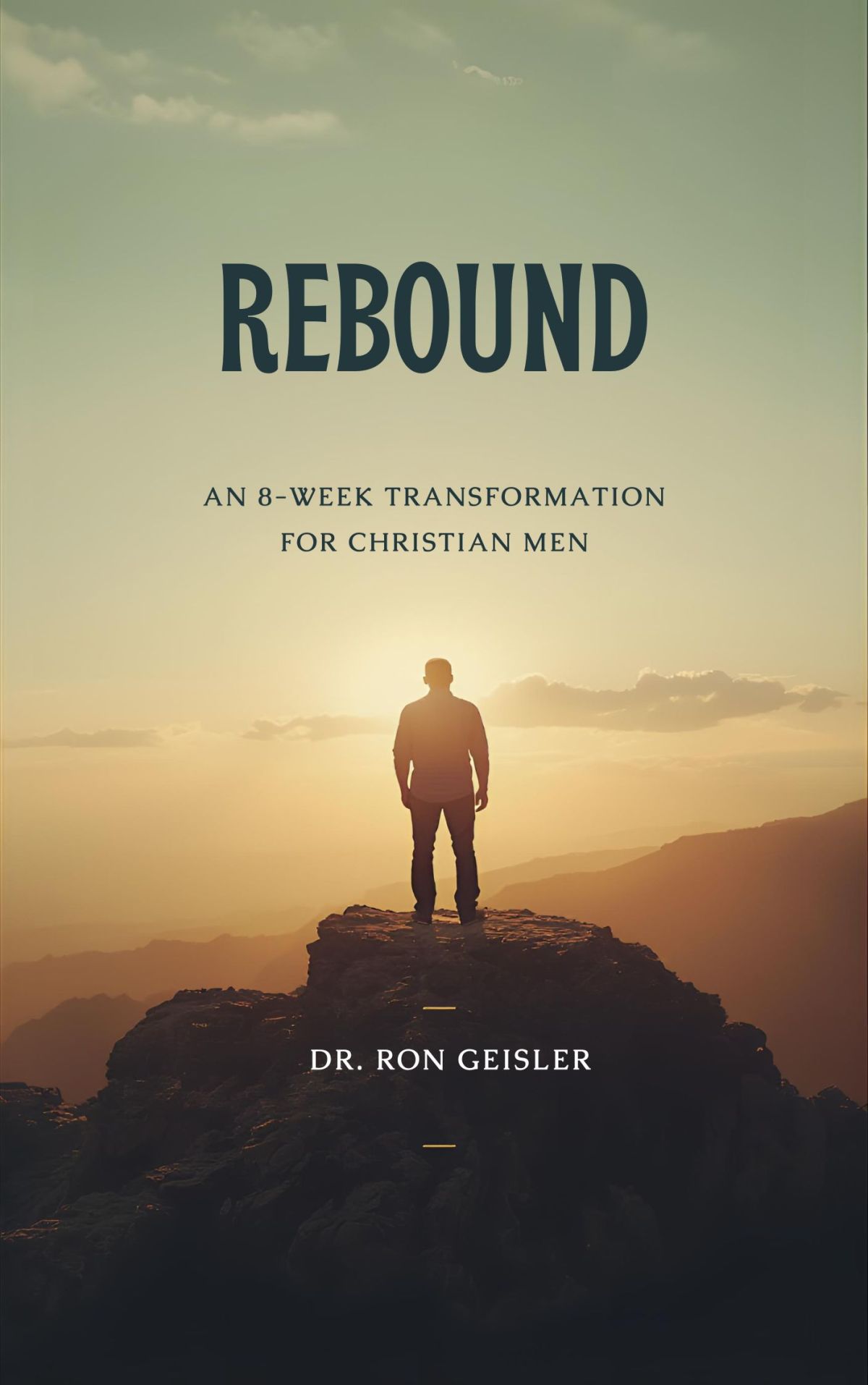
To support leaders in establishing healthier practices, here’s a four-step Rebound plan that will resonate:

1. Assess and Define: Each week, carve out time to evaluate your schedule. Find your non-negotiables—be it family time, personal rest, or Sabbath moments—and communicate these openly. This transparency helps foster understanding and support.

2. Delegate and Prioritize: Acknowledge that it’s okay to share the load. Identify tasks that others can take on to free you up for your core calling. Tools like to-do lists can help clarify your priorities and keep you focused on what truly matters.

3. Practice Self-Care: Ensure you dedicate time each day to activities that nourish your physical, emotional, and spiritual health. You can do this through exercise, hobbies that bring you joy, or even seeking professional support. Consider finding a coach for accountability; it can make a significant difference.

4. Review and Adjust: At the end of each month, take a thoughtful moment. Reflect on what’s working. Consider what could be improved. Celebrate even the small wins, as they can help build momentum and motivate you to keep going.

By embracing these boundaries, ministry leaders can find paths to thrive, serving with renewed passion and purpose. Sustainable leadership isn’t just about doing more; it’s about protecting what truly matters and caring for yourself in the process. Remember, you are not alone in this journey. Taking these steps can lead to a healthier, more fulfilling ministry experience.