
While Jesus was fully God, He was also fully human. His humanity was expressed in the masculine. Understanding who Jesus was as a man provides insight into how men can embody and demonstrate masculine characteristics as designed by God.
However, we will not begin with Jesus. Instead, we’ll start with Adam. The Genesis narrative describes “first things,” detailing God’s creative design as He brings order from chaos. This design includes people, specifically, both male and female, created as equal image bearers of God. Each sex reflects aspects of God’s nature and responsibilities in creation.
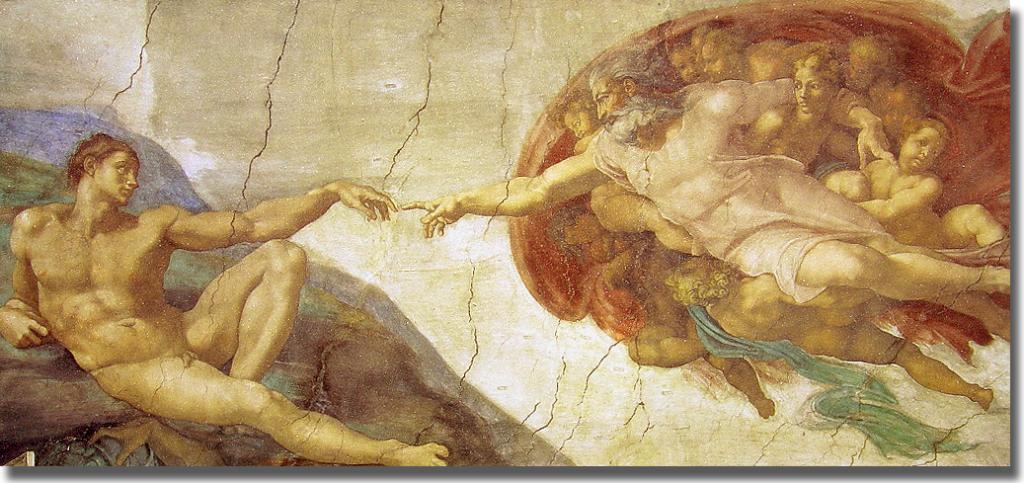
Adam, the first man, had a defined responsibility to work alongside God in creation. Before he could fulfill these responsibilities, it’s essential to recognize that Adam’s entire existence was a gift from God. Genesis 2:7 (NIV) states, “Then the LORD God formed a man from the dust of the ground and breathed into his nostrils the breath of life, and the man became a living being.” This life-giving breath from God signifies that Adam’s life depended on the Creator’s life-giving action. This breath suggests Adam’s inheritance as a son of God and leads to his responsibilities in creation. Genesis chapter 2 highlights Adam’s role:
– His responsibilities were centered in a defined place – the Garden.
– He was tasked with working in and caring for the Garden.
– He was responsible for his obedience to God’s commands.
– He named the animals.
– He recognized Eve as part of himself.
– He committed himself to her.
Adam was clearly created by God for a purpose: to manage God’s creation on Earth, rule over it (by naming the animals), and nurture his relationships. All of this was intended to honor God, showing that Adam and Eve were image bearers of God in the Garden and on Earth.
However, we soon discover that this original order was disrupted by original sin. Adam failed to nurture his wife and his dominion over the Earth, choosing instead to rebel against God’s design. The rest of the narrative involves their banishment and the beginning of God’s redemptive story, culminating in the incarnation of Jesus.
In Romans 5:12-21, the Apostle Paul contrasts the roles of Adam and Jesus. Adam’s failure to fulfill his image-bearing role led to the “death” of all creation. In contrast, Jesus, through His “one righteous act” (5:18), brings justification, which has the potential to restore life to all creation. In essence, Jesus, as the image-bearer of God, succeeded where Adam failed.
This concept generally applies to the masculine role: you are an image bearer of God. While this applies to women as well—Genesis 1 reinforces this truth—men cannot evade this responsibility. The absence of men acting as image bearers of God in creation is a concerning reality in the 21st century. Many men shy away from conversations about God or Christianity. This avoidance may stem from the deep feminization of the church and Christianity, but such a circumstance is not an excuse.
As image bearers, men are called to take responsibility for revealing God’s presence in every facet of society and reclaiming the ground lost to the enemy. This call is not militant, nor does it adhere to Dominion Theology; it reflects the created nature of men who, redeemed by Jesus and filled with the Holy Spirit, are fulfilling their intended masculine purpose.
Embracing Jesus’ way of masculinity begins with Christian men owning their identity as image bearers of God and influencing the direction of creation for the glory of God and the advancement of His Kingdom.

 Dr. Ron Geisler