
Silent Saturday: The Day Between Death and Resurrection

Silent Saturday. That’s what we’ve come to call the second day, the day between crucifixion and resurrection. For the followers of Jesus left behind to grieve and prepare his body for burial, it must have been an odd day. What should they do? Cry? Hide? Leave? What do we do in the numbing silence hours after a loved one dies? They rested and wondered what was next.

But what about Jesus? Physically, there was rest. His body lay in the tomb. Spiritually, however, something else was happening.

Upon his death, Jesus’ spirit descended to Sheol (Hades). Sheol is the biblical concept of death prior to Jesus’ resurrection. When he died, Jesus went to the place of death. Sheol is where both the faithful and the unfaithful waited. The faithful awaited the Messiah to rescue them, as referenced in Psalm 139, Romans 10:7, and Luke 16.
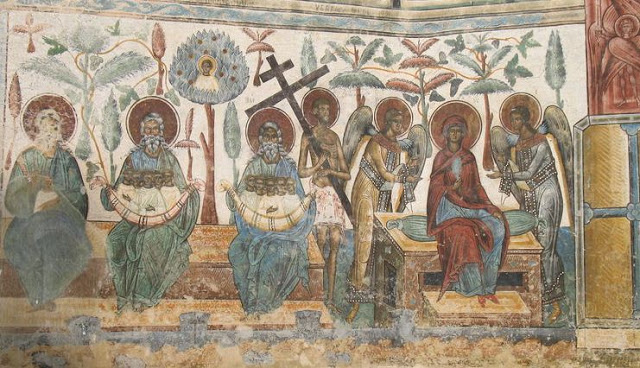
When Jesus descended to Sheol, he was truly experiencing death. He was really dead! He remained under the power of death. Holy Saturday reminds us that Jesus entered death and stayed dead. The gap was long enough for him to genuinely taste death (Hebrews 2:9) and to endure the anguish of being in death’s grip (Acts 2:24). He fully entered the land from which no one returns, undertaking the profound loneliness of death as part of his mission to redeem us. His disciples experienced his death as if it were permanent. Remarkably, this is good news for us.

Just as Jesus took our sins, he has also taken all our lonely dying upon himself. Let the gap be the gap.
Lessons from Jesus: Trust Amid Uncertainty

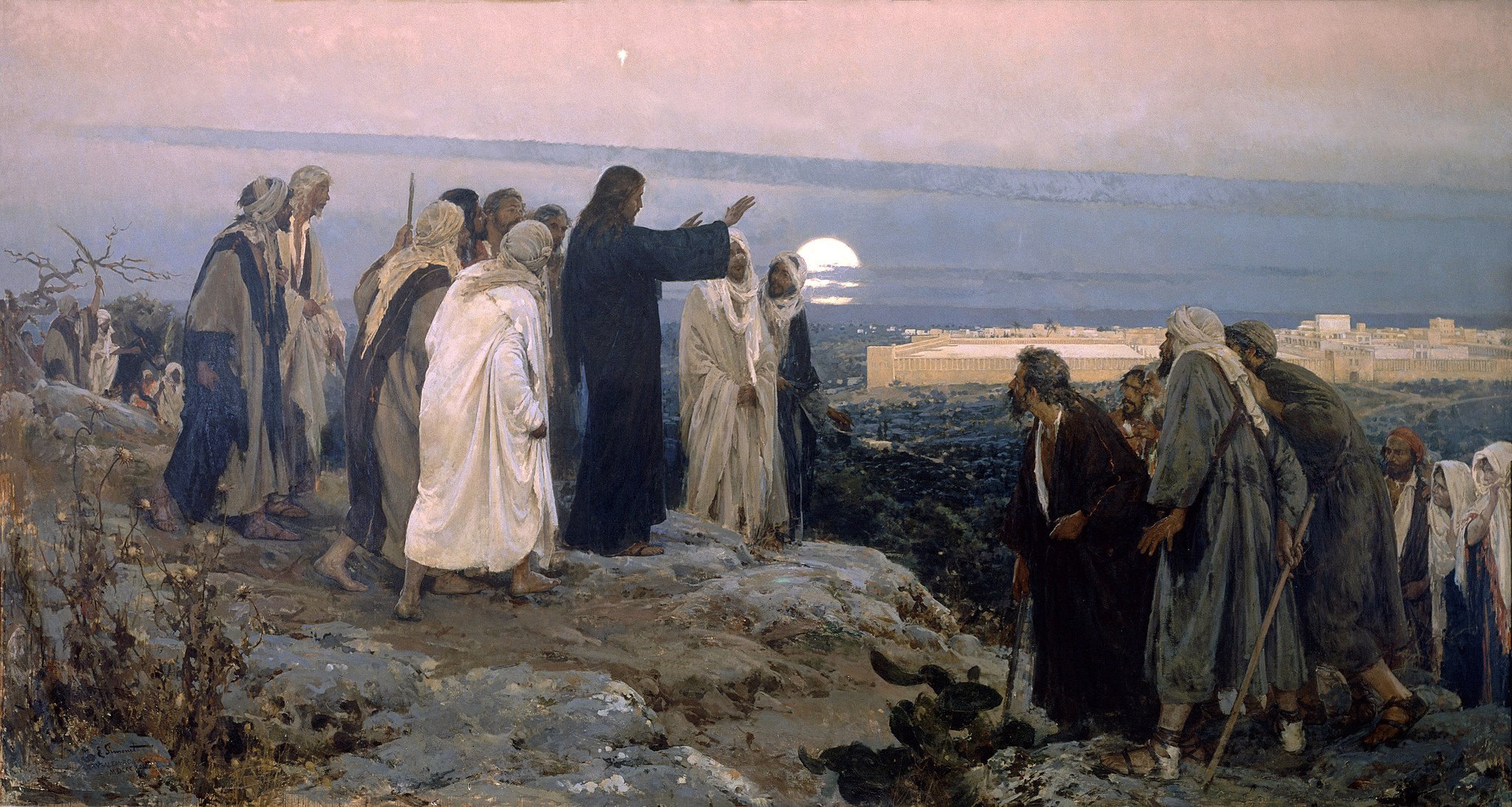
The Olivet Discourse is a significant part of Wednesday during Holy Week, found in Matthew 23-26, Mark 13, and Luke 20-21. In Mark’s account, Jesus speaks about the destruction of the Temple and urges his followers to pay attention to the signs of the end of the age. While much of what Jesus discusses in this Discourse is prophetically linked to the destruction of Jerusalem in 70 AD by the Roman Empire, our contemporary American fascination with End Times interpretations can obscure the original meaning of his words. Nonetheless, the Discourse reminds Christians to trust in Jesus and remain steadfast when everything around them falls apart.

This reflection is especially relevant during Holy Week. When Jesus is arrested, his followers flee and become scattered, filled with fear and uncertainty about the future. Their world has been turned upside down. What about you? How do you respond when your life is unexpectedly shaken? Where do you turn when everything seems to collapse? If your refuge isn’t Jesus, you may be standing on sinking sand!

Bear Fruit

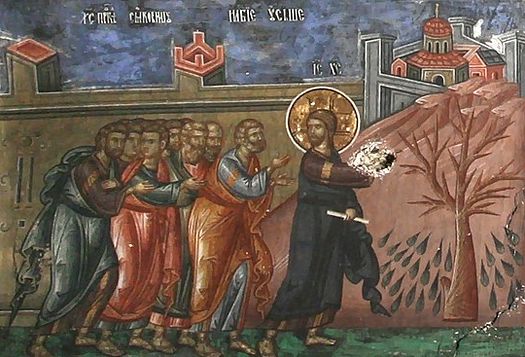
Tuesday of Holy Week is often associated with the story of Jesus cursing the fig tree. This passage can be difficult to understand. Many theologians interpret it as Jesus cursing the nation of Israel for failing to bear spiritual fruit. They were not worshipping God and, as a result, were not producing the characteristics of a godly life. The entire scene is quite sobering.

Jesus intends for each of us to bear fruit. The only way to do this is by staying connected to the vine (John 15). The vine represents Jesus, who is our source of life. Christian theology and history reveal that practices such as prayer, Bible study, fasting, serving, worship, and connecting with fellow believers are effective ways to remain connected to Jesus. Which of these practices are you engaging in this week as we draw closer to the cross?